
Having a hair transplant in Nepal is a life changing decision for many people. Whether you choose one for aesthetic purposes or if you’ve hair loss due to certain medical conditions, the extent to which your transplant is successful relies heavily on following adequate hair transplant aftercare. If competent surgery does not have good care, it will still lead to poor outcomes.
In this guide, we’ve discussed everything: what to do,what to avoid, side effects, and expert tips for patients in Nepal.
What Is Proper Hair Transplant Aftercare and Why It Matters
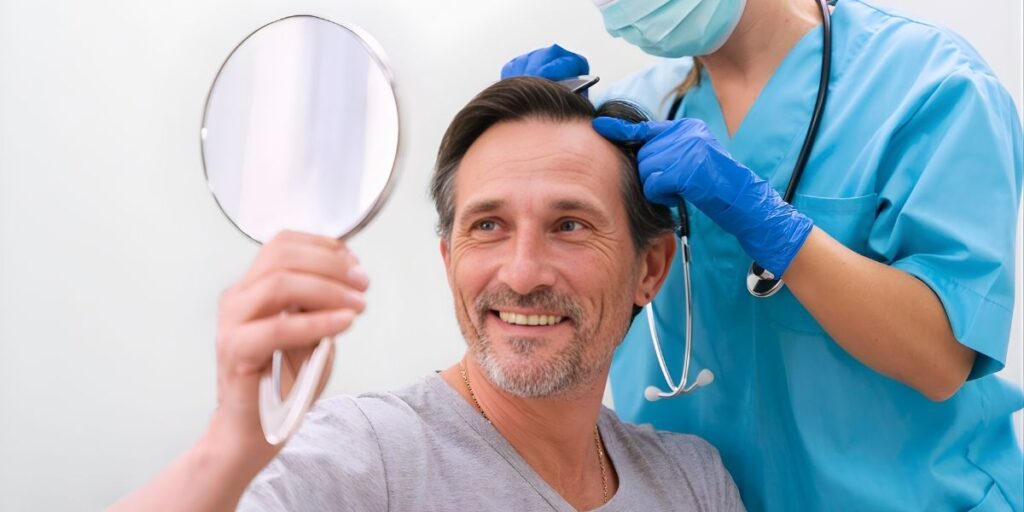
Hair transplant aftercare is the set of practices, habits, and procedures you follow after the surgery that aim at protecting the transplanted and native hairs on the scalp. The process of aftercare is as necessary as the surgery since it affects the end result.
Why it matters:
- Protects fragile grafts: Hair follicles present in the grafts are highly fragile. These follicles must be protected to ensure they remain at their sites.
- Reduces the risk of infection: Proper washing, as per washing instructions, can prevent infections from spreading, as well as any possible issues.
- Minimizes swelling and redness: Some easy steps can be taken to maximize relief from any discomfort and promote healing.
- Boosts hair growth results: The hair transplant aftercare guidelines help in increasing the survival rate of the transplanted hair for better results in the long run.
Even minor aspects such as scratching the scalp, tight hats, or smoking habits may affect graft survival. Indeed, experienced dermatologists emphasize the aspect that post-operative care is equally important as the surgery itself.
Do’s After Hair Transplant for Faster Healing and Better Results

To recover faster and have the best results, follow these steps:
1. Keep Your Scalp Clean but Gentle
Bathing is only allowed with the approval of your surgeon, usually after 48 to 72 hours. Use mild soap. Do not towel it dry, but only pat it dry. Some units use water sprays opposite to the water stream to preclude displacement of grafts.
2. Sleep With Your Head Elevated
The first thing you should do for the first 5-7 nights is to elevate your head by 45 degrees with the help of pillows or even a reclining chair. This will help the swelling go down and not apply any additional pressure on the transplanted area.
3. Use Loose Head Coverings
After a week, you can start covering with a loose cap that will shield the area from dust and sun. Avoid wearing any kind of tight hat that might disrupt the healing grafts during the first 10 to 14 days.
4. Stay Hydrated and Eat Well
Protein, zinc, iron, and vitamins such as B12 and vitamin D facilitate the healing process. Hydration promotes blood flow, thus feeding the roots of the hair. Also highly recommended foods are egg, fish, nuts, and leafy vegetables.
5. Take Prescribed Medication and Attend Follow-Ups
Follow the doctor’s instructions on whether to use antibiotics, anti-inflammatory medications, or hair growth stimulatory serums. Look after the follow-up appointments regarding the inspection of the grafted area and seeking professional advice.
6. Gentle Hair Washing After Day 4–5
Most surgeons agree on a gentle washing using a cup to pour water slowly. Rubbing or water pressure from showerheads should be avoided.
7. Light Scalp Massage After Two Weeks
After the initial healing is over, scalp massage is also beneficial in improving blood circulation and helping with the growth of hair.
Don’ts After Hair Transplant: What Not to Do During Recovery

Even minor errors can affect the survival of the transplant. Here’s a list of things to avoid:
1. Don’t Touch or Scratch the Transplanted Area
It’s normal for your scalp to itch. Avoid scratching the scalp because this will result in the grafts falling off and scarring. Cool compresses or the application of doctor-prescribed creams are recommended.
2. Avoid Strenuous Exercise and Heavy Sweating
Exercise will cause increased blood flow and sweating, which may lead to displacement of grafts. Avoid jogging, fitness exercises, and heavy lifting for 2 to 3 weeks after the surgery.
3. Avoid Smoking and Alcohol
Nicotine will also decrease the supply of blood to the follicles, and alcohol will dehydrate you, which will delay the recovery process. Avoid both for at least 1-2 weeks.
4. Don’t Wear Tight Caps or Helmets
The tightly fitting headgear can apply pressure on the grafts. The helmet should be worn after 2-4 weeks.
5. Avoid Sun Exposure
Too much direct exposure may burn healing skin. If outdoors, use loose coverings or remain in shade.
6. Avoid Hair Styling Products and Chemical Treatments
Gels, sprays, dyes, or other chemicals can irritate the healing grafts. These must be avoided for at least 3-4 weeks.
7. Don’t Ignore Scabs and Shedding
Mild shedding and scabs are normal. Scab picking can result in scarring. Scabs should be left to flake off.
Common Hair Transplant Side Effects and How to Manage Them
Although proper care is taken post-transplant, some expected hair transplant side effects may occur following a hair transplant procedure:
- Swelling Around the Scalp and Forehead
A mild swelling takes place around 2 to 5 days after surgery. Resting with your head raised can help alleviate the condition, with cold compresses on your forehead, but not ice on the graft itself. - Itching and Scabbing
Scabs naturally form to protect healing follicles. Do not pick or scratch them. They will fall off on their own within 10–14 days. - Temporary Hair Shedding
It is common for transplanted hair to shed between weeks 2–6. This is a natural part of the hair growth cycle, and new hair will begin to grow afterwards. - Redness and Tenderness
Redness or mild tenderness in the transplanted area may persist for a few weeks. Hair follicles present in the grafts are highly fragile. - Numbness or Tingling
Some patients can feel numbness or tingling in the area where the graft was taken or where the graft is located. In many instances, the numbness will go away after a couple of weeks.
Proper aftercare and patience are highly essential in managing the listed side effects and obtaining desired outcomes.
Hair Transplant in Nepal: Aftercare Advice from Dermatologists

If you are looking forward to getting a hair transplant in Nepal, proper post-surgical care has to be engaged in for the survival of the graft. Experienced dermatologists have recommended some of the following tips:
- Adapt to Local Climate: Nepal has a hot and humid summer season and cold weather in winter. High humidity in summer can encourage sweating in the body, which might cause scalp reactions. Cold weather can dry the scalp. Adjust washing routines and protect your scalp accordingly.
- Avoid Sun Exposure: Newly transplanted hair follicles are sensitive. Direct strong sunshine may hurt grafts and impair their healing. Climatic conditions to avoid include strong sunshine and hilly regions.
- Wearing a Cap: The surgeons usually recommend that a cap should not be worn for 10 to 14 days so that it does not press any grafts. It is always advisable to follow the clinic procedures accordingly.
- Healthy Diet for Recovery: Healthy eating is required for a rapid recovery. It also helps in the growth of healthy hair. One should take protein-rich foods, along with vitamins and minerals, which could be acquired through the consumption of fresh veggies, fruits, and milk.
- Follow Your Surgeon’s Instructions: Each clinic maintains its own set of protocols slightly different from the rest after the surgery. The best way is to then comply with the directions regarding hygiene, medications, and restrictions on your activities.
- Hygiene and Cleaning: The scalp should be cleaned gently, normally with soap and a mild shampoo, a few days following the surgery. The area should not be touched by your hands or scratched with your nails to avoid dislodging the graft.
In fact, by doing these procedures as directed, you can make sure that your grafts will survive in the healthiest way possible, so that you can have a fast recovery and healthy growth.
FAQs
How to Reduce Swelling After a Hair Transplant?
It is normal to experience some swelling after a hair transplant around the forehead and eyes; to minimize this:
- Sleep with your head elevated for the first 3–5 nights.
- Apply a cold compress gently on the forehead (avoid touching grafts).
- Take anti-inflammation medications as instructed by your doctor.
- Avoid strenuous activity for a few days.
- The majority of swelling is resolved in 3-7 days.
When Can I Wear a Cap After a Hair Transplant?
- Avoid tight caps or hats for the first 7–10 days to prevent dislodging grafts.
- After the initial healing, you can wear a loose, breathable cap when you go outside.
- Make sure the cap doesn’t rub or put pressure on the area that has been transplanted.
When Can I Wear a Helmet After a Hair Transplant?
- You should avoid helmets for at least 2–3 weeks after the procedure.
- Only wear a helmet when grafts are secure and the scalp has healed enough.
- Use a soft, cushioned lining if possible to reduce friction.
Can I Smoke After a Hair Transplant?
- It can decrease blood flow to the scalp region and also promote healing.
- Stay away from smoking for at least 2 weeks after the surgery.
- Patients should ideally quit or reduce their smoking.
Can I Travel After a Hair Transplant?
- Short travel (in a few hours) usually is fine after 3 to 5 days.
- Avoid long flights or high-altitude travel for at least 1–2 weeks, as changes in pressure and hygiene may affect healing.
- Always follow your surgeon’s advice on post-op care during travel.
Can Hypothyroid Men Have a Hair Transplant?
- Yes, hypothyroid men can undergo hair transplantation, but the manifestations of the thyroid should be kept under reasonable control.
- Tell your surgeon about medications that you’re currently taking as well as about your thyroid function.
- Better healing and graft survival are ensured by proper management.
Final Thoughts: How to Protect Your Hair Transplant Results
A hair transplant is a long-term investment in your self-confidence and looks. It is the embodiment of a personal choice that you have exercised to enhance your beauty in your own way. It is essential to stick to a hair transplant aftercare routine to avoid damaging your results. By sticking to these dos and don’ts, managing your swelling, not smoking, and being cautious while pursuing your activities, such as wearing caps, helmets, or traveling, you can rest assured that your grafts will be healthy and strong.
Keep in mind that everyone’s healing process will be unique, so always consult the instructions of your surgeon. For some men who are also suffering from special medical conditions such as hypothyroidism, proper medical attention will work greatly in their favor.
Care, patience, and awareness about the possible hair transplant side effects would ensure that you do not lose the results of a hair transplant for several years. If you are thinking about undergoing a hair transplant in Nepal, then you should consult the best skin & hair transplant clinic in Nepal.
With a little bit of post-care, you can wake up to gorgeous and natural-looking hair to boost your confidence.
Popular Posts


Recent Posts
-
PRP Hair Treatment in Nepal: Cost, Process, and Results (2026 Guide)
Jul 03, 2026 | Lucent
-
Is Laser Hair Removal Safe? Risks, Side Effects & Safety Guide
Jun 11, 2026 | Lucent
-

Wrinkles on Face: Causes, Types, Prevention and Treatment Guide
Jun 11, 2026 | Lucent
-
Best Laser Hair Removal in Kathmandu – Safe & Long-Lasting Hair Reduction
Jun 11, 2026 | Lucent
-

Best Face Yoga Exercises for a Lifted, Toned & Youthful Face
May 18, 2026 | Lucent
-
How to Identify the Best Skin Clinic in Kathmandu for Safe Treatments?
May 18, 2026 | Lucent
-
Hydrafacial Benefits for Glowing and Healthy Skin
May 18, 2026 | Lucent
-
Laser Hair Removal Price in Nepal: What You Should Expect
May 03, 2026 | Lucent