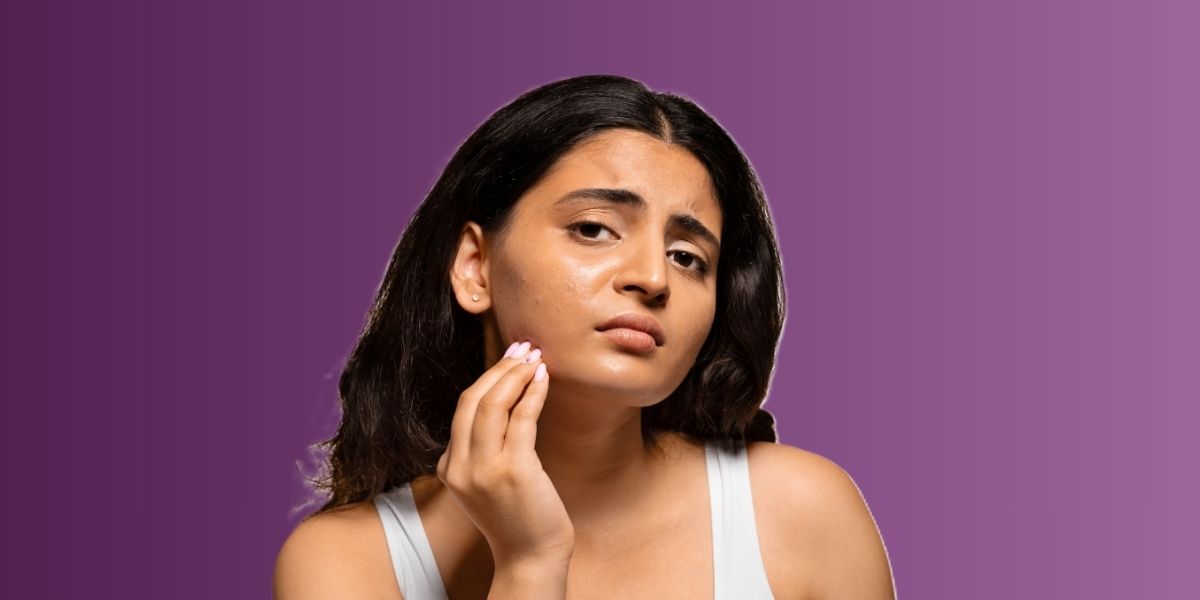
Hyperpigmentation is one of the most common skin concerns. Dark spots and uneven skin can make you feel less confident and change how you see yourself. This condition occurs when melanin, the pigment responsible for skin color, is overproduced. Excess melanin manifests as dark spots and flecks on sun-exposed areas, such as the face and hands. Dark spots can develop regardless of age and skin type. Hyperpigmentation can be very challenging to treat. Therefore, proper skin care and hyperpigmentation treatment are crucial.
Hyperpigmentation meaning must be understood, including its causes and forms, before treatment can begin. The main hyperpigmentation causes are sun exposure, hormones, acne, skin injuries, and genetics. The effectiveness of a treatment depends on the type of treatment being used. Treatments include topical applications, chemical peeling, laser treatment, and preventive skin care. These methods can even out skin tone, keep skin healthy, and make it look better when used correctly.
What is Hyperpigmentation?
Hyperpigmentation is a common skin condition. Some areas of the skin become darker than others. It happens due to excess melanin, the pigment that gives color to your skin, hair, and eyes. Excess or uneven melanin distribution causes dark spots and patches. The illness is harmless but affects facial attractiveness, lowering confidence.
There are several common types of hyperpigmentation:
- Post-Inflammatory Hyperpigmentation (PIH): Dark spots caused by acne, wounds, burns, or rashes. Post inflammatory hyperpigmentation is more common in darker-skinned individuals. The condition may lessen, but it will continue until medical intervention.
- Periorbital Hyperpigmentation: This condition results in dark circles beneath the eyes. Periorbital hyperpigmentation can be caused by genetics, skin thinning, ageing, stress, and sleep deprivation.
- Melasma: Causes large dark patches on the skin. One of the most common reasons is changes in hormones. You might have it while you’re pregnant, on birth control pills, or getting hormone therapy.
- Sun-Induced Hyperpigmentation: Sun-related hyperpigmentation appears as age spots or sun spots. After prolonged sun exposure, the skin develops these spots. The sun’s rays are more likely to make extra melanin in the face, hands, and arms.
Knowing what kind of hyperpigmentation you have is important. This helps you choose the right hyperpigmentation treatment and keep new dark spots from appearing.
Symptoms of Hyperpigmentation
Darkening of the skin is the most obvious sign. In more serious cases, you may notice light brown, dark brown, or even black pigmentation in the area.
The typical patterns include:
- Uneven skin tone: dark spots are adjacent to normal skin.
- Freckles, sun spots, or age spots: small to medium dark spots on the face, hands, shoulders, and arms.
- Discoloration after injury: Acne, cuts, burns, or rashes can cause post-inflammatory hyperpigmentation (PIH).
- Dark circles: Dark skin around the eyes caused by genetics, thin skin, or lifestyle.
- Mottled patches: Dark spots that are mottled are big and uneven. They often come from melasma and show up on the upper lip, forehead, or cheeks.
- Skin texture changes: Thicker, tougher patches appear in affected areas.
- Sensitive spots: When inflamed or exposed to sunlight, they darken more.
Skin type, sun exposure, health, and the length of time it has been there all affect how dark it becomes. It usually shows up on the face, but it can also show up on the hands, neck, arms, and other areas that get a lot of sun.
Causes of Hyperpigmentation
Understanding what causes hyperpigmentation is essential in treating and preventing it. It happens when the skin produces too much melanin.
There are many other variables that can affect how often it happens.
- Sun Exposure: UV rays increase melanin, causing sunspots, age spots, and dark patches. Daily sunscreen helps prevent worsening. Safe skin brightening focuses on protecting melanin balance rather than harsh bleaching methods.
- Hormonal Changes: Changes in the body due to pregnancy, menopause, or the use of contraceptives can lead to melasma. This is typically seen as dark patches on the cheeks, forehead, or upper lip.
- Skin injuries or inflammation: Dark patches can develop as a result of skin irritation or injuries. This can happen after eczema, rashes, burns, cuts, or acne. The patches can last for months if not treated and lead to post inflammatory hyperpigmentation.
- Medications: Certain medications, such as chemotherapy, antibiotics, or hormone therapy, can cause the skin to darken.
- Genetics: Family history can increase the risk. Darker skin has more melanin, making it more hyperpigmented.
- Lifestyle Factors: Smoking, stress, lack of sleep, and an unhealthy diet can also cause hyperpigmentation. These habits cause the skin to look dull and uneven.
Identifying the cause of hyperpigmentation will help identify th right hyperpigmentation treatment.
Diagnosis
Correct diagnosis is the first step in hyperpigmentation treatment. The method identifies the reasons for dark spots and the skin issues they cause.
There are a few ways that dermatologists employ to identify hyperpigmentation.
- Visual examination: A dermatologist searches for darker areas to identify them.
- Medical history: Sun exposure, past skin damage, hormonal imbalances, present medications, and family history are considered to identify the reason.
- Wood’s lamp:UV light brings out pigmentation in the skin that is usually hidden.
- Dermatoscopy: Skin pigmentations and abnormalities are analyzed with the help of a magnifying glass.
- Skin Biopsy (rare): If doctors find any unusual pigmentation, they perform a skin biopsy.
- Photographic Documentation: Photographs of affected areas monitor patient progress and treatment success.
Early treatment is essential for effective hyperpigmentation treatment. It prevents the spots from getting worse and provides skin care tips by helping to choose the best treatment for hyperpigmentation.
Best Treatment for Hyperpigmentation
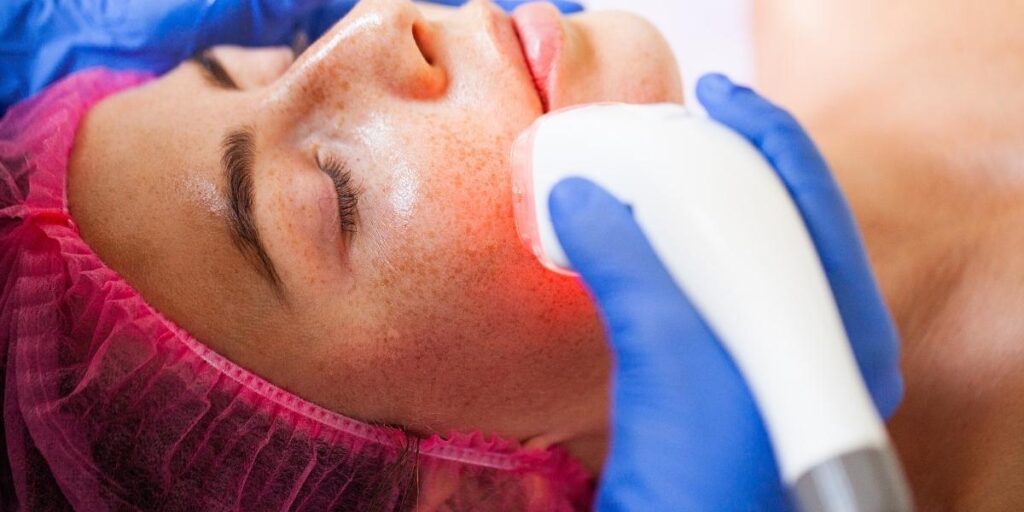
The best treatment for hyperpigmentation varies depending on the type, cause, and skin damage. Hyperpigmentation can be treated using both medical and home remedies.
1. Topical Treatments
- Hydroquinone: It is a skin-lightening agent that inhibits melanin production. Its use should follow the dermatologist’s advice.
- Retinoids: Vitamin A derivatives that speed up skin cell turnover and fade dark spots.
- Vitamin C: An antioxidant that brightens skin and slows melanin production.
- Alpha-hydroxy acids (AHAs): Acids like glycolic, lactic, and citric help remove dead skin cells.
- Azelaic Acid: It is used to treat acne and rosacea-induced skin discoloration.
2. Dermatological Procedures
- Chemical peels: use acids to take off the top layer of skin and help new skin grow.
- Laser therapy & IPL: work by breaking down pigment to make dark spots less noticeable.
- Microdermabrasion: This gentle way to remove dead skin cells makes the skin smoother and more even.
3. Home Remedies for Hyperpigmentation
Home remedies for hyperpigmentation can be used for mild cases, but professional treatments are more effective.
- Aloe Vera Gel: Aloe Vera Gel contains aloin, which has been proven to decrease dark spots.
- Green Tea Extract: An antioxidant that has been proven to prevent skin cells from producing melanin.
- Lemon Juice: It brightens the skin, so it has to be applied with caution and not be exposed to the sun.
- Turmeric Paste: It has natural anti-inflammatory and antioxidant properties and can be used to lighten dark spots.
- Vitamin C Serums: It has antioxidant properties that brighten the skin and inhibit the formation of melanin.
Prevention Tips
Preventing hyperpigmentation is easier than treating it. Taking care of your skin helps keep it healthy, even in tone, and free of dark spots.
- Sunscreen: Use sunscreen with an SPF of 30 or higher every day, even when it’s cloudy, or you’re inside. When you’re outside, put it on again every 2 to 3 hours.
- Protective clothing: Use hats, sunglasses, long-sleeved clothing, and scarves to protect yourself.
- Avoid Skin Picking: Avoid picking, scratching, or squeezing acne, scabs, or scars. This can cause post-inflammatory hyperpigmentation (PIH).
- Healthy lifestyle: Get adequate sleep, eat healthy food, get regular exercise, and practice stress management.
- Gentle Skincare Routine: Use gentle cleansers and exfoliants. Use products according to your skin type and avoid harsh scrubbing. Over-exfoliation leads to pigmentation problems.
- Avoid triggers: Heat, smoking, and unnecessary medications cause skin darkening. Avoid them.
Prevention is the best way to treat sun spots, melasma, and dark circles around the eyes and periorbital hyperpigmentation.
When to See a Dermatologist
Home remedies are useful for mild hyperpigmentation.
However, consult a dermatologist if:
- Hyperpigmentation spots have not faded after three months of treatment
- The condition has developed due to the spread of pigmentation, leading to varied distribution patterns.
- The hyperpigmented patches cause you to feel less confident, impacting your Emotional well-being
- Home remedies and over-the-counter creams have failed to show any improvement
- You have periorbital hyperpigmentation, post-inflammatory hyperpigmentation, or irregular skin changes
The dermatologist will offer you:
- Identify your specific hyperpigmentation type and cause
- Specific treatment recommendations according to your specific skin condition and skin type
- Offers safe and effective chemical peels, laser treatment, and prescription creams.
- The treatment also includes guidelines to avoid side effects and stop pigmentation.
Conclusion
People commonly experience hyperpigmentation as their primary skin problem. The condition can develop in individuals of all ages and skin types. Understanding hyperpigmentation meaning, its causes, and the best treatment for hyperpigmentation helps dark-skinned individuals. Skin becomes more even and radiant after the procedure.
Professional treatments and daily skincare are most effective. Use sunscreen, gentle cosmetics, and healthy behaviors to protect your skin. Both methods improve skin health permanently.
At Lucent Skin and Hair Clinic, expert dermatologists provide personalized solutions for pigmentation and other chronic skin concerns.
Frequently Asked Questions (FAQs)
1. Can hyperpigmentation go away on its own?
The body will naturally clear mild conditions, such as post-inflammatory hyperpigmentation. However, patients need to be treated, as most dark spots will not fade without it.
2. How long does hyperpigmentation treatment take?
The duration of the process depends on both the type and the intensity of the condition. The application of topical creams requires several weeks to several months.
3. Is hyperpigmentation harmful?
Hyperpigmentation is usually harmless. But it can affect confidence. Persistent or unusual spots should be checked by a dermatologist.
4. Can sunscreen prevent hyperpigmentation?
Apply sunscreen with an SPF of 30 or higher every day. It will prevent new hyperpigmentation from occurring and ensure that the existing hyperpigmentation does not worsen.
5. Are home remedies effective for hyperpigmentation?
Mild cases may improve with home remedies for hyperpigmentation, but professional care works better. However, for severe hyperpigmentation, one needs to consult a professional.
Popular Posts


Recent Posts
-

PRP Hair Treatment in Nepal: Cost, Process, and Results (2026 Guide)
Jul 03, 2026 | Lucent
-

Is Laser Hair Removal Safe? Risks, Side Effects & Safety Guide
Jun 11, 2026 | Lucent
-

Wrinkles on Face: Causes, Types, Prevention and Treatment Guide
Jun 11, 2026 | Lucent
-

Best Laser Hair Removal in Kathmandu – Safe & Long-Lasting Hair Reduction
Jun 11, 2026 | Lucent
-

Best Face Yoga Exercises for a Lifted, Toned & Youthful Face
May 18, 2026 | Lucent
-

How to Identify the Best Skin Clinic in Kathmandu for Safe Treatments?
May 18, 2026 | Lucent
-

Hydrafacial Benefits for Glowing and Healthy Skin
May 18, 2026 | Lucent
-

Laser Hair Removal Price in Nepal: What You Should Expect
May 03, 2026 | Lucent