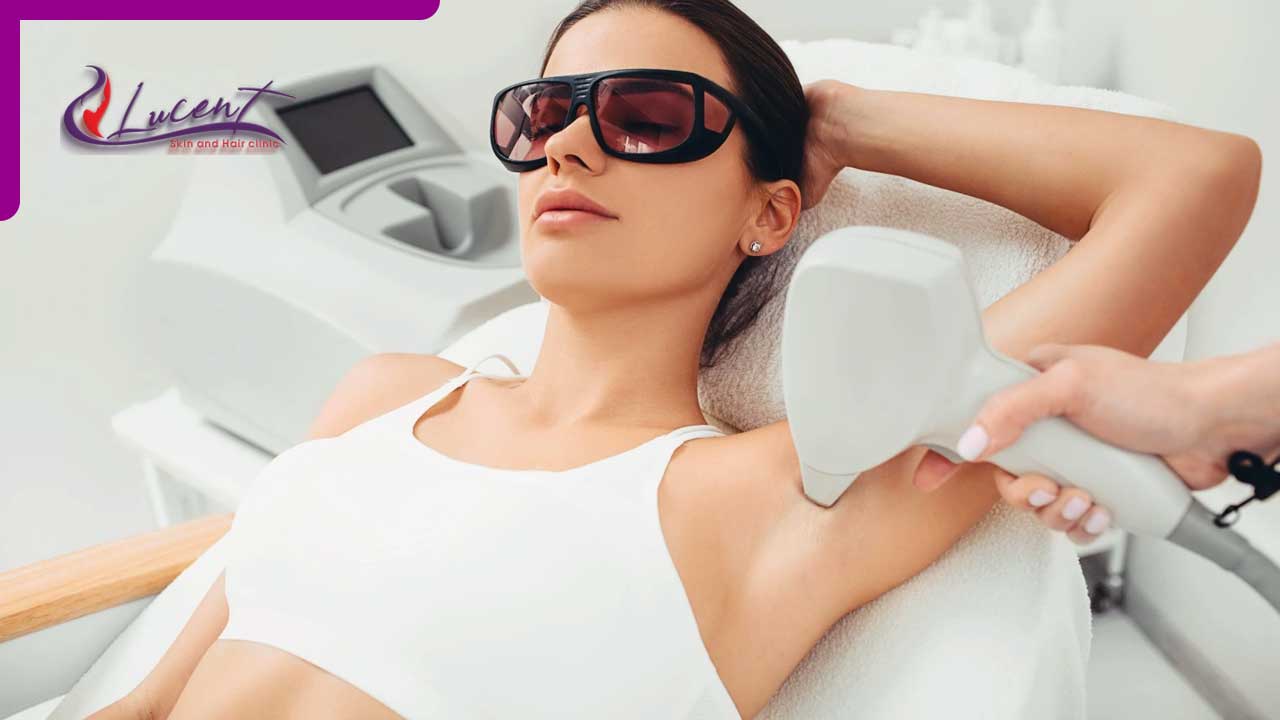
Unwanted body hair is not just about aesthetics; it is also about self-confidence and self-comfort. Though various methods like shaving, waxing, and plucking are common practices for removing unwanted hair, most of these methods are time-consuming and cause irritation.
However, laser hair removal has emerged as one of the most effective methods to remove unwanted hair from the body. It provides hair-free skin with minimal maintenance.
In this article, you will learn:
- What is laser hair removal?
- Who can benefit most from laser hair removal?
- What to expect during and after treatment
- Preparation best practices
- Cost factors
- Frequently asked questions
This article is intended to help you make an informed decision and prepare you for a safe and effective laser hair removal procedure.
What Is Laser Hair Removal?
Laser hair removal is a medical cosmetic procedure in which the hair follicle is damaged by a concentrated beam of light. Unlike shaving and waxing, which only remove the hair from the surface of the skin, laser hair removal removes the hair from the root. The pigment found inside the root of the hair absorbs the laser light, which is then turned into heat to destroy the root. This leads to the reduction of the growth of the hair.
This technique is advantageous because the outcome is more predictable compared to other techniques.
How Does Laser Hair Removal Work?
The growth cycle of hair occurs in a pattern, and there are three stages in this cycle:
- Anagen (Active Growth)
- Catagen (Transition)
- Telogen (Resting)
The laser treatments are most effective on hair in the anagen phase, where there is active growth, and the follicle has the most pigment. Not all hair is in this growth phase at any given time, and treatments must be spaced several weeks apart to capture all hair in an active growth phase.
The laser:
- Reaches deep into the skin without harming the outer layer
- Targets melanin (hair colour)
- Heating the follicle to cause damage
- Removes the ability to regrow hair
This causes a reduction in hair over time, and for many people, much of this hair does not regrow.
Permanent Hair Removal vs. Hair Reduction
Laser hair removal is one of the most popular methods for reducing unwanted hair, but it’s important to understand what the terms permanent hair removal and permanent hair reduction actually mean and why they are not the same thing when it comes to laser treatments.
Permanent Hair Reduction
When most people talk about laser hair removal, what they are really referring to is permanent hair reduction, meaning a lasting and significant decrease in the amount of hair that regrows after treatment.
- With a complete course of laser sessions (often 6–8 treatments spaced several weeks apart), most people experience a 70–90% reduction in hair growth in the treated area. Any hair that does grow back tends to be much finer, lighter in color, and less dense than before.
- The term permanent here refers to hair that does not regrow for a very long time often years, but not absolutely forever. Hormonal changes, aging, or biological factors can eventually cause some hairs to return or dormant follicles to become active, although those hairs usually remain less noticeable.
- Because of this, laser hair removal is considered FDA‑cleared for permanent hair reduction rather than complete removal of every hair.
Laser hair removal uses concentrated light that targets the hair pigment and damages the hair follicles so that they cannot produce full-strength hair. However, the hair growth cycle is not continuous. Therefore, it takes more than one session of laser hair removal to target an individual hair follicle in its growth cycle.
Permanent Hair Removal
True permanent hair removal means you never get hair regrowth at all, not even fine or sparse hair in the treated area for life. This is currently not common with laser hair removal treatments as:
- Some hair follicles may remain dormant and then become active again.
- Changes in hormones, such as those that occur during pregnancy or menopause, or diseases like PCOS, can cause new hair growth.
- Even after many sessions, a small number of hairs may still regrow over time.
The only hair‑removal method widely accepted as true permanent removal, meaning every treated follicle is completely and irreversibly destroyed, is electrolysis, where each hair follicle is treated individually. Laser hair removal techniques treat many follicles at once, but cannot guarantee absolute, never‑regrowing hair in every case.
Who Is a Good Candidate?
Laser hair removal works best with contrasting hair and skin colors. While technology has come a long way in improving the process, the outcome depends on various factors.
The ideal candidates should have:
- Dark and thick hair, because it is easier for the laser to target
- Medium or light skin because it provides a contrasting background for the hair removal process
- Target areas include the face, underarms, legs, arms, bikini line, chest, or back
Some people who might need individualized evaluation include:
- Blonde, red, gray, or very light-colored hair; special lasers are required
- Darker skin tones, advanced lasers can help, but careful adjustment is necessary
- Patients who are on medications that increase sensitivity to light
- Patients with active skin conditions in the areas that need to be treated
A professional consultation can help you find out if laser hair removal is appropriate for you and what you can expect from the procedure.
Step-by-Step Laser Hair Removal Procedure
Knowing what happens before, during, and after a laser hair removal treatment can boost your self-confidence and prepare you for the process. Although the process may differ slightly from one clinic to another, the steps taken during a laser hair removal treatment generally follow a similar pattern.
Before Treatment
Before any procedure for removing hair through a laser is done, certain steps are undertaken. These are:
- Skin and Hair Evaluation: Prior to any hair removal procedure using a laser, your skin tone, hair color, and hair texture are evaluated. This is important to ensure that you are given the right type of laser that suits your type of hair and skin.
- Medical History Review: Prior to any hair removal procedure using a laser, your medical history is evaluated. This is important to ensure that you are not allergic to any drugs.
- Cleaning and Shaving the Area: Before any laser hair removal, the targeted area is thoroughly cleaned. This is necessary in removing oils, lotions, and makeup from the skin. It is then shaved, and the laser removes hair from the follicle that is beneath the skin, not from those on top.
- Protective Eyewear: You and your doctor or clinician wear special eyewear to protect your eyes from laser beams.
- Comfort Measures: In many instances, a cooling gel or device is applied to the skin to help alleviate discomfort and protect the outer skin layers during the procedure.
The above steps are taken to ensure that the procedure is initiated in a safe manner and your skin is prepared for the best results
During Treatment
The main part of the procedure is the application of the laser. This is done as follows:
- Laser Pulses: A device that sends out concentrated beams of light is placed on the skin. These beams of light are then concentrated on the hair follicle. The procedure targets the hair follicle when it is in the active growth stage.
- Sensations You May Feel: The procedure is said to cause a sensation of warmth, a snap of a rubber band, and tingling. The sensation may vary depending on the area being treated and your individual comfort.
- Cooling Technology: The majority of the time, the laser is equipped with a cooling system. It may even have a spray that is utilized during the procedure. This helps protect the outer skin layers and provides a comfortable experience, even when treating sensitive areas.
The time taken for the procedure may vary depending on the area being treated. It might take some minutes to cover the area of the upper lip, while the time taken to cover the legs and the back might be considerably more.
After Treatment
Once the laser treatment procedure is complete, the skin will undergo a short period of recovery and reaction. This will include the following symptoms:
- Temporary Redness and Sensitivity: During the post-laser procedure, the treated areas of the skin might display some redness or might feel sensitive. This is similar to the feeling of being sunburned.
- Hair Shedding Phase: A week or two after the procedure, the treated hair will start shedding. One should keep in mind that the new hair growth will not start during this period.
- Multiple Sessions Required: Since hair grows in a cycle, the laser treatment works only on growing hair. Hence, multiple sessions of laser hair removal are required at 4-8-week intervals to treat all hair in the growing phase.
It is expected that after the second or third session of laser hair removal treatment, people start noticing the results of the treatment.
Benefits of Laser Hair Removal
The benefits of laser hair removal compared to the removal of unwanted body hair by other means include the following:
- Long-Term Hair Reduction
Eventually, the hair follicles will stop producing hair. Moreover, the hair that is produced is of very small diameter.
- Time and Cost Savings
Unlike shaving and waxing, which will have to be done repeatedly and endlessly, laser hair removal is a long-term solution that requires fewer sessions.
- Less Irritation and Ingrown Hair
Since the hair removal is direct, there will be less irritation and ingrown hair.
- Precision and Consistency
Lasers are now very precise in removing unwanted body hair without harming the rest of the skin.
Risks and Side Effects
Laser hair removal is believed to be safe when performed by qualified and experienced practitioners. Side effects are minor and temporary.
The following are some of the common side effects:
- Redness or slight swelling
- Temporary discomfort
- Mild itching
The following are some of the less common and rare side effects:
- Temporary skin color change
- Blisters and crusting
- Very rare scarring
These effects are typically short‑lived and resolve with proper care.
Preparing for Laser Hair Removal
To achieve optimal results:
- Avoid waxing, plucking, or threading hair in the treatment area.
- Avoid tanning and direct sun exposure for several weeks prior.
- Shave the area 24 hours before treatment.
- Inform your clinician about medications that may increase light sensitivity.
Post-Treatment Care
Proper aftercare will result in better outcomes and minimize side effects:
- Apply soothing creams or gels on the skin.
- Avoid exposure to the sun, saunas, and hot showers for 24 to 48 hours.
- Do not wax or pluck treated hair.
- Use sunscreen regularly to protect the treated area.
Laser Hair Removal Cost in Nepal & Kathmandu
The price of laser hair removal depends on various factors:
- Area of concern (e.g., lip hair removal versus hair removal on legs)
- Number of sessions
- Type of laser technology
- Expertise of the clinic
- Package deals
The price of laser hair removal in Nepal may vary as clinics offer package deals in sessions rather than per session. It is always advisable to go with the quality rather than the price in order to get effective results.
Choosing the Right Clinic
The selection of a professional clinic is a major part of your success:
- Ensure that a medical-grade laser is being utilized
- Ensure that the staff is adequately trained and certified
- Ask about their hygiene and safety practices
- Ask about their pricing and consultation practices
- Ask about their patient reviews and testimonials
A quality clinic will not only provide minimal side effects but will also provide you with the best results.
FAQs
Does laser hair removal remove hair permanently?
Laser hair removal provides long‑term hair reduction. Some hair may regrow, but it is usually finer and lighter.
How many sessions are needed?
On average, any person needs 6 to 8 sessions, spaced 4 to 8 weeks apart, depending on the type of hair.
Is laser hair removal safe?
Yes, when performed by trained professionals with proper laser devices and protocols.
Can all hair colors be treated?
Laser works best on darker hair. Lighter hair may require specialized lasers and may show slower reduction.
Final Thoughts & Call to Action
Laser hair removal is an effective and reliable method of hair removal. Laser hair removal gives smooth skin, less maintenance on a day-to-day basis, and fewer ingrown hairs compared to other traditional hair removal methods.
Are you planning to get laser hair removal treatment in Bhaktapur? To get the best out of the treatment, it is important to consult a professional to learn about your skin and hair type.
Take the first step towards smooth and hair-free skin by consulting us at Lucent Skin and Hair Clinic.
Popular Posts


Recent Posts
-

PRP Hair Treatment in Nepal: Cost, Process, and Results (2026 Guide)
Jul 03, 2026 | Lucent
-
Is Laser Hair Removal Safe? Risks, Side Effects & Safety Guide
Jun 11, 2026 | Lucent
-

Wrinkles on Face: Causes, Types, Prevention and Treatment Guide
Jun 11, 2026 | Lucent
-

Best Laser Hair Removal in Kathmandu – Safe & Long-Lasting Hair Reduction
Jun 11, 2026 | Lucent
-

Best Face Yoga Exercises for a Lifted, Toned & Youthful Face
May 18, 2026 | Lucent
-
How to Identify the Best Skin Clinic in Kathmandu for Safe Treatments?
May 18, 2026 | Lucent
-
Hydrafacial Benefits for Glowing and Healthy Skin
May 18, 2026 | Lucent
-

Laser Hair Removal Price in Nepal: What You Should Expect
May 03, 2026 | Lucent