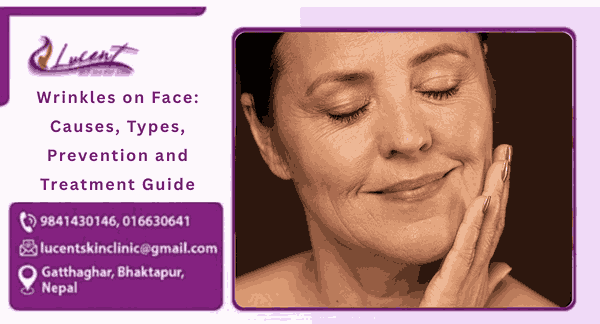
Wrinkles on face are an effect of ageing, but wrinkles may occur earlier because of several reasons, including overexposure to the sun, unhealthy lifestyle, and pollution. If you fail to maintain proper care of your skin, the aging process will occur faster. Even though wrinkles are considered an inevitable part of the aging process, many individuals start noticing fine lines and wrinkles in their late 20s or early 30s.
Few things impact self-image and self-confidence as much as facial wrinkles do. However, there is no need to worry; understanding the causes of wrinkles can help you slow their development. It also supports healthy skin aging, helping your skin stay healthier and look better for longer.
This guide discusses wrinkles on face, causes of skin aging, types of facial wrinkles, prevention methods, and advanced wrinkle treatment options used in modern dermatology treatments.
What Are Wrinkles on Face?
A wrinkle is a line or a crease that forms due to the sagging, weakening, and drying up of the skin as one ages. This results from aging of the skin, sun damage, pollution, and the daily lifestyle activities that we do.
Collagen and Elastin are proteins that are important for the health of our skin. Collagen helps in keeping our skin strong while Elastin makes it elastic. As we get older, the production of these proteins declines in our bodies; hence, our skin becomes thinner and less elastic.
Forehead lines, eye lines, and lines between the eyes are the sort of facial area where wrinkles tend to occur. This is due to the fact that the areas have a lot of activity going on. However, it is quite normal during aging. These lines may appear differently for other reasons like genetics and skincare.
How Does Skin Ageing Lead to Wrinkles?
To learn about wrinkles, one must first be familiar with how the skin changes during aging.
There are three layers in our skin;
Epidermis
This is the outer layer, which acts as protection against the environment and retains moisture in the skin.
Dermis
This acts as protection against the environment and retains moisture in the skin.
Subcutaneous Layer
This is the innermost layer that contains fat and connective tissue for cushioning.
With time:
- Collagen production reduces.
- Elastic fibres deteriorate.
- Reduction in skin cells’ regeneration rate.
- Less natural oil production.
- Drying and thinning of the skin.
- Gradual movement and reduction of facial fat.
All these lead to weakened skin strength and elasticity, resulting in wrinkles.
External factors, such as UV rays from the sun, smoking, pollution, and stress, hasten this process, causing wrinkles to appear sooner.
Types of Wrinkles on Face
All wrinkles do not occur in the same manner; therefore, knowing their types is important for selecting preventive and therapeutic techniques.
Fine Lines
Fine lines appear around the eyes and mouth as one grows old.
The features of fine lines include:
- Mild appearance
- Early collagen loss
- Dehydrated skin
- Sun-related damage
If treated in time, the fine lines can be enhanced with proper skin care and skin protection measures.
Dynamic Wrinkles
Dynamic wrinkles are a result of frequent facial expression movements.
Facial muscles contract every time you smile, laugh, squint or frown. These repeated motions eventually result in the formation of visible lines in the skin.
Examples include:
- Crow’s feet around the eyes
- Forehead lines
- A furrow between the eyebrows
Dynamic wrinkles are typically noticeable when you move your face, and can occur with old age.
Static Wrinkles
Static wrinkles are wrinkles that don’t go away when the face is at rest.
They are usually caused by:
- Collagen depletion
- Elastin loss
- Volume reduction
- Long-term sun damage
Typical static wrinkles are:
- Deep forehead creases
- Smile lines
- Marionette lines
Gravitational Wrinkles
Ageing reduces elasticity and support mechanisms, which creates a natural phenomenon of sagging and folds due to gravity.
These wrinkles are typically found in:
- Cheeks
- Jawline
- Neck
- Lower face
With age, the wrinkles in the ‘gravity’ folds are more prominent.
Compression Wrinkles
Compression wrinkles are caused by repeated pressure.
For example:
- Sleeping on one side each night
- Facing a pillow with mouth on it
As time goes on, compression can occur repeatedly, leading to permanent facial folds.
What Causes Wrinkles on Face?
A person’s wrinkles can result from both natural ageing and external lifestyle factors. These can be further separated into inevitable ones and controllable ones through a good lifestyle:
1. Natural Aging
A main contributor to skin ageing is natural aging. Collagen and elastin within the skin diminish over time, making skin thinner, weaker and more prone to developing creases and lines.
2. Sun Exposure
Too much sun exposure is a major cause of early wrinkles. UV rays damage collagen and elastin, which speeds up skin aging, especially without sunscreen protection.
3. Smoking
Excessive exposure to the sun causes skin to wrinkle prematurely. Rays from the sun damage skin’s collagen and elastin at an accelerated rate if skin is unprotected by a sunscreen.
4. Repeated Facial Expressions
Repeated facial expressions like frowning, smiling, and squinting can create lines in the skin that may become permanent over time.
5. Air Pollution
Environmental pollution produces free radicals that speed up skin ageing, leading to fine lines and uneven skin tone.
6. Poor Diet
High levels of sugar and processed foods lead to a weakening of skin health; a healthy diet strengthens collagen and promotes younger-looking skin.
7. Lack of Sleep
Lack of sleep reduces the skin’s ability to repair itself, which can lead to visible wrinkles and a dull-looking complexion.
8. Chronic Stress
Ongoing stress alters your hormones and contributes to inflammation in your body, which may age your skin faster.
9. Dehydration
Dry, dull-looking skin due to lack of fluid can enhance fine lines.
10. Genetics
Your genes can influence when wrinkles begin to appear and how quickly your skin ages over time.
Common Areas Where Wrinkles Develop
Forehead
Wrinkles on the forehead are also a type of facial wrinkle. The most frequent cause of forehead wrinkles is repetition of brow movements and also ageing of the face, causing loss of collagen.
Around the Eyes
The skin around the eyes is a sensitive area compared to other parts of the face; it is more prone to:
- Crow feet
- Fine lines
- Damage from the sun
Between the Eyebrows
Frown lines or glabellar lines are the names given to these vertical lines.
Around the Mouth
As collagen and volume diminish around the lips and mouth, wrinkles will appear.
Neck
This area is prone to developing wrinkles due to constant exposure to the sun, yet is frequently overlooked in a skincare regimen.
How to Prevent Wrinkles on Face?
Wrinkles are one of the most visible effects of getting older. Though getting older is inevitable, there are lifestyle changes you can make to slow down the appearance of ageing, and start looking and feeling younger.
Use Sunscreen Every Day
Applying sunscreen on a daily basis is the most effective form of protection against the sun’s UV rays. The sun’s rays are not only one of the leading causes of skin cancer, but they are also a leading cause of wrinkles. Invest in a high-quality sunscreen that provides broad-spectrum protection and has an SPF of at least 30.
Follow a Consistent Skincare Routine
Healthy skin starts with a daily routine. Skin cleansers and moisturizers remove dirt and oil. They also help protect skin from drying and cracking over time. Skin damage can be lessened with topical vitamins and retinoids, which can also help promote healthy, collagen-rich skin and reduce the appearance of ageing’s fine lines.
Stay Hydrated
Drinking water makes your skin smoother and fresher and reduces the appearance of dryness.
Eat a Nutrient-Rich Diet
Foods like fruits, vegetables, nuts, whole grains, seeds, and fatty fish contain vitamins and antioxidants which can protect your skin and ease the aging process.
Avoid Smoking
Decreased blood flow and collagen damage from smoking can make skin look dull and cause wrinkles to appear more quickly.
Limit Alcohol Consumption
Dehydration and worsened aging can result from excessive alcohol consumption. Reducing this will preserve hydration in your skin and improve the overall health of your skin.
Get Enough Sleep
Skin rejuvenation happens while you sleep. Adults should aim for 7–9 hours of sleep for optimal skin repair.
Manage Stress
Stress induces premature aging of the skin. Regular exercise, meditation, yoga, and relaxation techniques are great for stress management. Stress management yields healthy skin benefits.
Best Skincare Ingredients for Wrinkles
Retinoids
Retinoids are extensively studied as an anti-ageing product.
Benefits include:
- Increased collagen production
- Reduced fine lines
- Improved skin texture
Vitamin C
Since Vitamin C is an antioxidant, it serves as a skin protector from damage from the elements.
Hyaluronic Acid
Hyaluronic acid helps skin retain moisture and therefore appears plump and smooth.
Niacinamide
Niacinamide helps skin barrier function and texture.
Peptides
Peptides help collagen production and skin repair.
Ceramides
Ceramides help skin barrier function and prevent moisture loss.
Professional Treatments for Wrinkles on Face
Safe and modern dermatology procedures can effectively treat both wrinkles and quality of skin issues. Since it all depends on what kind of wrinkles and skin challenges a person faces, and what their goals are, having a dermatologist assess a situation is recommended.
Botox
Botox is a valid and common treatment for dynamic facial wrinkles as it relaxes and stops the movement of certain facial expression muscles. The aging lines of the forehead, the crow’s feet next to the eyes, and the frowning wrinkle line between the eyebrows are softened and prevented from getting deeper.
Dermal Fillers
Dermal fillers are injectable treatments used to restore lost volume and fill deeper static wrinkles. They help redefine facial contours and soften fine lines and wrinkles caused by facial aging, especially in areas like the cheeks, lips, and nasolabial folds.
Microneedling
There is a lot to cover when it comes to microneedling, but essentially this cosmetic procedure involves creating micro-injuries on the skin surface to stimulate the natural healing response and thus collagen and elastin production in the skin. This results in improvements in skin texture, reduction of fine lines, and firmer-looking skin over time.
Chemical Peels
Chemical peels are a technique that applies chemical solutions to the skin to smooth the texture, improve the appearance of discolouration and scarring, and reduce fine lines and wrinkles. Also known as chemexfoliation or derma-peeling, chemical peeling benefits and improves the skin’s condition due to the removal of its damaged outer layers.
Laser Skin Rejuvenation
These are laser treatments that can treat deeper into the skin by boosting collagen production. In turn, it will help to reduce the appearance of fine lines, wrinkles, pigmentation, texture irregularities, and give the skin a youthful and fresh look.
Radiofrequency Skin Tightening
One type of energy-based therapy uses controlled heat, known as radiofrequency (RF) therapy, to increase collagen production in the deeper layers of your skin. This can gradually smooth the skin and reduce mild to moderate wrinkles.
Combination Treatments
Dermatologists often find that the best results come from combining treatments as part of personalized dermatology care. Reducing wrinkles on face effectively may require a mix of procedures such as lasers, microneedling, neuromodulators, and injectable treatments.
When Should You See a Dermatologist?
You may wish to visit a dermatologist if you are experiencing any of the following issues:
- Wrinkles are developing on your face and seem to be getting worse
- The home skin care routine you’ve been using does not seem to be working
- You are looking for professional anti-ageing options
- You have a lot of sun-damaged skin
- You want personalised skin care recommendations.
Dermatologists have the knowledge and expertise to assess and diagnose your condition accurately and will recommend appropriate treatment options based on a true understanding of your unique needs and goals.
Final Thoughts
Wrinkles on face are a natural part of the ageing process; however, other factors (sun exposure, smoking, stress, environmental factors and family history) can cause you to develop them sooner than you might have expected. While there is no way to rid yourself of wrinkles completely, there are some things that you can do to help postpone their appearance by taking your skin seriously and creating good habits.
To maintain a healthy and smooth appearance, use sunscreen (SPF 15 or higher) on all exposed areas of your body: to maintain skin’s health, eat a proper diet (with fruits, vegetables, whole grains, etc.), drink plenty of water, get enough sleep and use products designed for skin care including retinoids (such as retin-a – also known as tretinoin) and antioxidants (such as vitamin C and vitamin E). In the case of larger changes than just prevention, dermatology-based treatments may be available to treat both the early and late signs of the ageing process.
If you have concerns about wrinkles, see a licensed dermatologist; they will assess your individual needs and skin type to develop the most appropriate treatment plan for you.
Frequently Asked Questions About Wrinkles on Face
1. How do I get rid of wrinkles on my face?
Although wrinkles can’t be eliminated, they can be significantly diminished. The most effective ways to do this are by using retinoids, vitamin C, hyaluronic acid, and applying sunscreen daily. For deeper wrinkles, there are individual dermatological options available, including Botox, dermal fillers, laser therapy, and microneedling, that can provide better visible results compared to just using over-the-counter products. To get the best result, it’s recommended to follow a customised treatment plan from a dermatologist.
2. What is the main cause of wrinkles on the face?
Wrinkles primarily develop due to natural ageing as our skin loses collagen, elastin, and moisture over time. In addition, external factors such as sun exposure (from UV rays), smoking, exposure to pollutants, stress, and poor skin care habits can accelerate the appearance of wrinkles, leading to premature ageing of the skin.
3. Which vitamin is best for wrinkles?
Vitamin C is one of the most effective vitamins for combating wrinkles because it stimulates collagen production and protects the skin from damage caused by free radicals. Additionally, Vitamin E offers similar benefits by nourishing and protecting the skin barrier. A combination of Vitamin C and Vitamin E is often recommended when developing a skincare routine.
4. Can wrinkles go away naturally?
No, you cannot eliminate all wrinkles without medical or cosmetic intervention. Fine lines may improve somewhat by adequately hydrating your skin, protecting your skin from sun exposure, eating healthy foods, and following a good skincare regimen. Deeper wrinkles will usually require some type of medical or cosmetic procedure or treatment for them to improve significantly in appearance.
5. What is the best skin care for wrinkles?
The best skincare routine for wrinkles includes:
a) Daily Application of Sunscreen (SPF 30 or Above)
b) Retinoids Used at Night to Stimulate Collagen Production
c) Vitamin C Serum Used Once in the Morning
d) Hyaluronic Acid Used for Hydration
e) Moisturizers Strengthen Skin’s Barrier
The most important factor is consistency to achieve long-term visible results.
6. At what age do wrinkles start appearing?
Wrinkles will begin to develop when you are around 27-29 years old as your natural collagen production will start to slow down; But most people will start to see the first signs of fine lines in their 30’s to 40’s Depends on Your Lifestyle Choices & Amount of Sun Exposure.
7. Can diet affect wrinkles?
Yes, A diet high in sugar, processed foods, and bad fats can cause skin to age quicker. A diet high in fruits, vegetables, nuts, seeds, & omega 3 foods will help protect your skin & promote collagen production.
8. Are facial exercises effective for wrinkles?
The use of facial exercises can help increase muscle tone & blood flow, However; there is little scientific evidence that they are effective in reducing wrinkles. Therefore, facial exercises should be considered a supplementary form of treatment.
Popular Posts


Recent Posts
-

Tired of Searching “Dermatologist Near Me”? Discover Lucent Skin and Hair Clinic in Bhaktapur, Nepal!
Jul 24, 2026 | Lucent
-

Which Skin Whitening Treatment Is Right for You? A Complete Comparison Guide
Jul 24, 2026 | Lucent
-

Hair Treatment in Nepal: Types, Costs & Which Treatment Is Best?
Jul 12, 2026 | Lucent
-

How to Choose the Best Dermatologist in Nepal?
Jul 08, 2026 | Lucent
-

Best Skin Care Products in Nepal (2026): A Dermatologist’s Buying Guide
Jul 06, 2026 | Lucent
-

PRP Hair Treatment in Nepal: Cost, Process, and Results (2026 Guide)
Jul 03, 2026 | Lucent
-

Is Laser Hair Removal Safe? Risks, Side Effects & Safety Guide
Jun 11, 2026 | Lucent
-

Wrinkles on Face: Causes, Types, Prevention and Treatment Guide
Jun 11, 2026 | Lucent