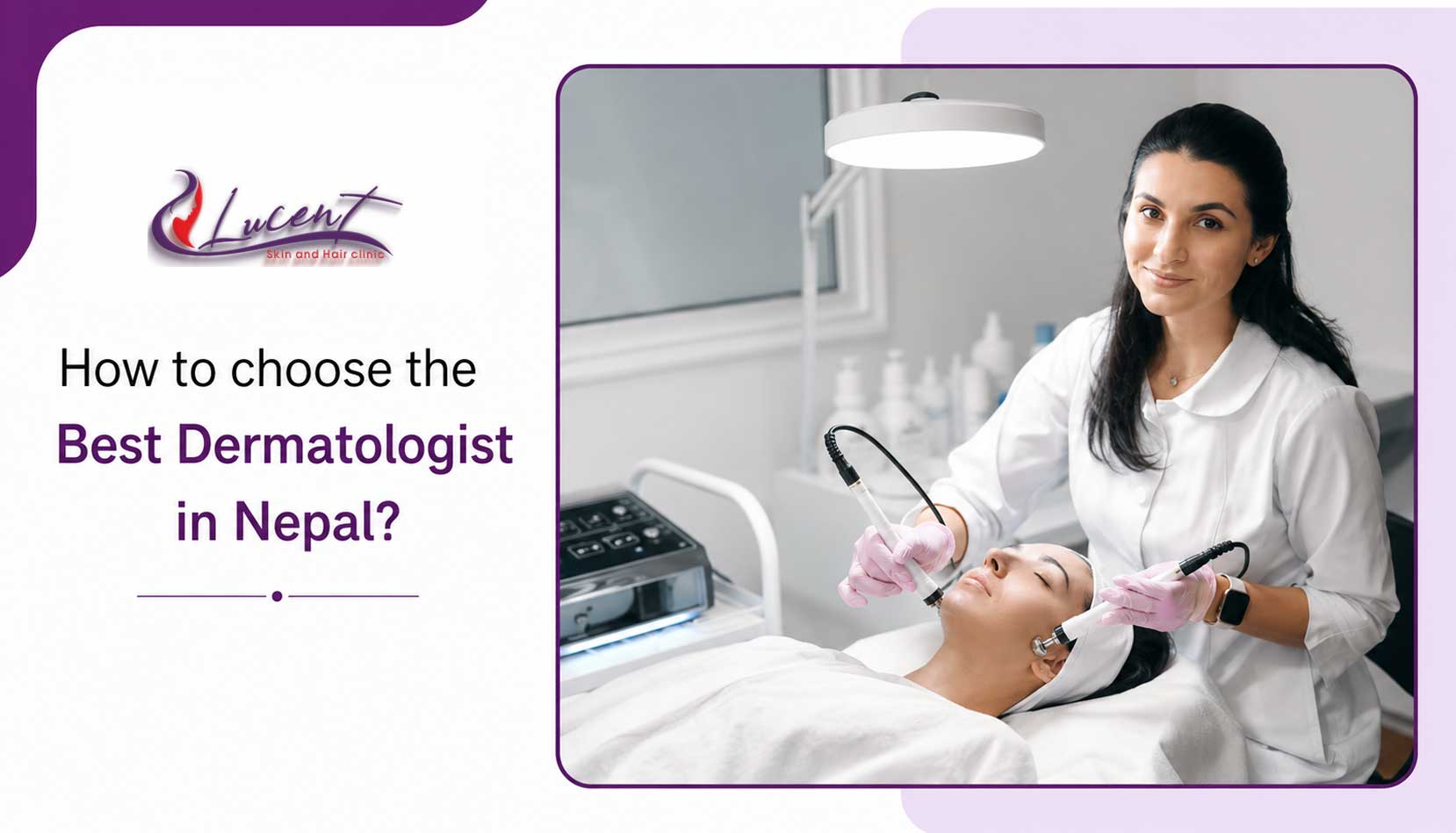
Your skin is the largest organ of your body and requires good care for healthy skin. For any skin issue ranging from acne, pigmentation, eczema, psoriasis to hair loss, it is important to find the best dermatologist in Nepal who can provide accurate diagnosis and appropriate treatment. Your dermatologist will diagnose your condition properly and suggest the appropriate treatment for you.
In present times, there are numerous dermatology clinics and cosmetic centers in Nepal. More choices are good, but it also can be tricky to decide which of the clinics to trust. Not all medical clinics are created equal when it comes to medical expertise, technology, and patient care.
This guide is designed to help you select a qualified dermatologist in Nepal by understanding their credentials, experience, treatment approach, and patient care standards. You’ll discover the important things to review for, what questions you should have during your consultation and what to watch out for! At the end, you will be more informed about your skin health.
Why Choosing the Right Dermatologist Matters?
There are a lot of skin and hair issues that can have similar symptoms but be caused by different things. In some cases, for instance, acne can be mistaken for rosacea. Similarly, dark spots on your skin could be caused by sun exposure, hormonal changes, or another underlying condition. This is one of the reasons why accurate diagnosis is essential.
Choosing the best skin doctor in Nepal is important because different skin conditions require different approaches. A trained dermatologist can identify whether a problem requires medication, lifestyle changes, skincare adjustments, or advanced dermatological procedures.
A certified dermatologist doesn’t simply treat the outward symptoms. They are able to pinpoint the actual reasons behind your skin issue and suggest the treatment you may need. Treatment is personalized to your medical history, skin type and your personal needs. Early treatment may also prevent skin problems from occurring later in life.
A qualified dermatologist can help you:
- Diagnose skin, hair, and nail conditions accurately
- Recommend personalized treatment plans
- Detect serious skin conditions early
- Monitor your progress through follow-up care
Common Skin Concerns Treated by Dermatologists
A certified dermatologist in Nepal can treat both medical and cosmetic concerns related to skin, hair, and nails while ensuring that treatment decisions are based on proper diagnosis. He provides accurate diagnosis as well as individualized treatment for skin disorders.
Some of the most common skin disorders that a dermatologist treats are:
- Acne and acne scars
- Melasma and hyperpigmentation
- Eczema (Atopic Dermatitis)
- Psoriasis
- Fungal infections
- Skin allergies
- Rosacea
- Vitiligo
- Hair loss and scalp disorders
- Dandruff
- Nail disorders
- Warts and skin infections
- Excessive sweating
- Fine lines, wrinkles, and other signs of skin aging
A dermatologist is not only responsible for treating skin diseases but also for performing procedures like laser therapy, chemical peels, PRP and GFC treatment, Botox, dermal fillers, skin biopsy, and mole examination.
10 Things to Check Before Choosing a Dermatologist in Nepal
1. Verify the Dermatologist’s Qualifications
The foremost step when choosing the best dermatologist in Nepal is to verify whether or not the dermatologist is properly licensed and qualified. In Nepal, a dermatologist should possess the following:
- MBBS
- Postgraduate degree in Dermatology (MD in Dermatology, for example)
- Nepal Medical Council registration (NMC)
However, all practitioners offering skin treatment services are not licensed dermatologists as some clinics offer cosmetic treatments without employing specialists to identify and cure the skin diseases.
Before booking an appointment, you can ask:
- What is their qualification?
- Do they register under the Nepal Medical Council?
- Where have they done their specialization in dermatology?
A credible clinic should be ready to answer such inquiries.
2. Look for Experience Treating Your Specific Skin Concern
The top dermatologists in Nepal usually have experience treating a wide range of skin, hair, and nail conditions. However, choosing a dermatologist with experience in your specific concern can improve your treatment experience.
There is a wide variety of skin conditions. While some dermatologists concentrate their practice on the treatment of skin diseases only, others focus on aesthetic treatment of the skin.
Select a dermatologist who works with similar skin conditions regularly.
For instance:
Acne and Acne Scars
Select a dermatologist who treats acne and its scars.
Hair Loss
There are various reasons for hair loss including hormonal, nutritional, and medical issues. A dermatologist will establish the root cause before advising the appropriate treatment.
Pigmentation
Issues including melasma, freckles, and discoloration must be treated using the correct method. The dermatologist will provide the best approach depending on the cause of the issue and the type of skin.
Chronic Skin Diseases
Some skin diseases include eczema, psoriasis, vitiligo, and rosacea. These require long-term treatment and hence you should consult dermatologists that have handled the same conditions.
3. Choose a Clinic That Prioritizes Accurate Diagnosis
An ideal dermatologist would not suggest costly treatments at once.
Rather, it is important to start a consultation with a discussion of your health history.
A complete dermatology consultation consists of:
- Discussion of your symptoms
- Past treatments that you have had
- Family history
- List of drugs you take currently
- Health problems you may suffer from now
- Your lifestyle
- Examination of your skin
- Hair/scalp examination, if required
In case you require further tests, your dermatologist would suggest a few tests to identify the cause of your problem.
4. Look for Personalized Treatment Plans
Every skin is different.
Some factors that affect treatment are:
- Skin type
- Age
- Occupation
- Exposure to sunlight
- Medical history
- Hormonal balance
- Pregnancy
- Medications
- Previous treatments
Not every skin is alike; therefore, every treatment cannot have the same effect on every patient. Good dermatologists should give you a treatment program according to your skin type and condition.
This becomes more significant when considering the case of Nepal, where every person has a different skin color. Laser and chemical peel treatment must be modified according to your skin.
5. Assess the Clinic’s Equipment and Hygiene Standards
Modern dermatology is a combination of medicine and technology.
Modern technology is critical; however, it must always be used by an experienced dermatologist.
In assessing a clinic, look for the following features:
- Maintains a clean and hygienic environment
- Uses sterilized instruments
- Follows infection-control protocols
- Uses modern diagnostic equipment
- Offers evidence-based treatment technologies
- Explains how procedures are performed
If you’re planning to have a skin treatment or procedure, make sure the clinic follows proper hygiene and safety practices.
A reliable clinic will clearly explain the treatment and answer any questions you have before it begins.
6. Read Patient Reviews and Testimonials Carefully
When searching online for the best dermatologist Nepal, patients often look at reviews and testimonials. However, reviews should be considered along with qualifications, experience, and treatment quality.
Online reviews will help to know more about the services provided by a dermatologist. In addition to checking the ratings, please read the reviews that describe the treatment process and the quality of care provided to patients.
The credible clinic usually receives reviews mentioning:
- Comprehensive explanations concerning the diagnosis and treatment
- Professional and polite employees
- Reasonable prices
- Sanitary facilities
- Successful results of treatments
- Good aftercare
- Check the reviews posted not only on the website of the clinic but on other online platforms, including Google and Facebook.
Do not forget that there cannot be a clinic without negative reviews. The important thing is how the management of the clinic treats the feedback.
7. Ask Questions During Your Consultation
Your initial appointment is a great opportunity to find out more about your skin condition and raise any questions you may have.
Questions that you might want to raise include:
- What is causing my skin or hair problem?
- Should I undergo any medical examinations?
- What are the treatment methods?
- What are the advantages and drawbacks of each method?
- How much time will pass until I notice the results?
- How many sessions will be needed for my treatments?
- Are there other ways to treat the issue?
- What skin care regimen do I have to apply at home?
Dermatologists that listen to you, provide truthful answers, and set realistic expectations are more likely to give you patient-focused care.
8. Beware of Unrealistic Promises
Good skin requires patience, and there are few quick fixes in dermatology.
Beware of any clinic which makes the following promises:
- “A permanent solution to acne in one session”
- “100% guarantee for hair growth”
- “Quick skin whitening”
- “Scars removed completely”
- “Lifetime effects after one treatment”
Each person’s skin is unique and, hence, the same treatment may not yield the desired results on everyone. Age, skin type, lifestyle and health status are some of the factors which could influence the results of a particular treatment procedure.
A good dermatologist will inform you about what a treatment can achieve and what it cannot. He or she will offer you real expectations rather than giving you unrealistic guarantees.
Buying costly treatment programs without proper diagnosis is an indication of a bad clinic.
9. Consider the Clinic’s Technology and Treatment Options
Much progress has been made in the field of modern dermatology within the last 10 years. Today, there are many non-invasive treatments for various skin and hair problems that were not previously accessible to patients.
Depending on your problem, your dermatologist may suggest treatments like:
- Laser treatment
- Chemical peelings
- Micro-needling
- PRP (platelet-rich plasma) treatment
- GFC (growth factor concentrate) treatment
- Cryosurgery
- Electrocoagulation
- Botox
- Dermal fillers
- Hair transplants
However, it is important that advanced technology is used to ensure proper diagnosis and not to make it unnecessary.
Your dermatologist will verify whether the treatment you require is available before suggesting any procedure. The most efficient treatment is the one which is suitable for your skin and provides the best result.
10. Look for Comprehensive Follow-Up Care
Many skin conditions necessitate follow-ups and cannot be solved with one visit only.
Conditions such as acne, eczema, psoriasis, melasma, and hair loss need some time to heal. You cannot see improvement immediately; hence you need follow-up appointments to evaluate your condition and adjust the treatment if necessary.
The right dermatology center should offer:
- Follow-up appointments
- Evaluations of progress
- Adjustment of medication if necessary
- Skincare recommendations
- Advice for preventing recurrence
Follow-up care is an essential part of successful treatment and helps achieve better long-term results.
Common Skin Problems in Nepal
The climatic conditions, elevation, pollution, and weather pattern during different seasons affect various skin problems in Nepal.
A knowledgeable dermatologist in Kathmandu or other parts of Nepal understands these environmental factors and can recommend treatments suitable for local skin conditions.
Some of the skin conditions that people suffer from include:
Acne
Acne is one of the skin diseases which affects many teenagers and adults. Hormones, stress, genes, and increased secretion of oil on the skin can cause acne.
Pigmentation and Melasma
UV rays, hormones, and excessive exposure to sun can cause skin pigmentation.
Hair Loss
Hair loss may be due to genetic factors, poor nutrition, thyroid issues, stress, hormones, or an auto-immune disorder.
Eczema
The dry atmosphere, allergy, and environmental pollutants can lead to eczema outbreaks, resulting in irritation and inflammation of the skin.
Psoriasis
Psoriasis is an autoimmune disease of the skin which requires continuous medical care.
Fungal Infections
Psoriasis is an autoimmune disease of the skin which requires continuous medical care.
Skin Allergies
Allergic reactions to the skin may be triggered due to cosmetics, fragrances, air pollution, and some medications. A specialist doctor can help you diagnose the cause and give appropriate treatment for the same.
Getting treated at an early stage will ensure that your skin heals quickly.
Red Flags to Watch Out For
Every skin clinic does not offer the same quality of service.
You should consider seeking another skin clinic if you come across the following red flags:
- The credentials of the dermatologist are not prominently shown.
- The clinic avoids answering questions on medical certification.
- Expensive treatments are suggested without proper examination.
- Results of guaranteed treatments are promised.
- Prices are not clearly stated.
- Lack of hygiene or sterilization of equipment can be seen.
- Patients are made to buy large packages of treatments.
- No mention of follow-up treatment.
In all cases, the choice of a certified dermatologist comes first before anything else.
When Should You Visit a Dermatologist?
Individuals often delay visiting a dermatologist in Nepal, assuming the issue will resolve itself. While some issues related to the skin may clear up by themselves, those that persist or worsen need to be seen by a dermatologist.
You might want to consider scheduling an appointment if you have:
- Acne that persists for more than three months
- Unexpected or unusual hair loss
- Itching that does not subside or any rashes on the skin
- Darker than normal patches of skin or skin discoloration
- Frequent skin allergies
- Chronic dandruff or skin issues of the scalp
- Unusual skin growths or moles that seem suspicious
- Repeated bouts of fungal infections
- Problems with your nails or nail infections
- Skin lesions that do not heal
Early diagnosis allows for timely treatment and can help prevent more serious complications.
Why Choose Lucent Skin Clinic?
Choosing the best dermatologist in Nepal is about more than finding the nearest clinic or the lowest price. You need a clinic with qualified dermatologists, modern technology, personalized care, and a strong focus on patient safety.
At Lucent Skin Clinic, every treatment process begins with consultation. Our dermatologists will first determine the reason for your skin, hair, or nail problem before suggesting a particular treatment plan that will be customized for you.
The list of medical and cosmetic skin problems treated by our dermatologists include:
- Acne and acne scars
- Pigmentation and melasma
- Hair loss
- Eczema and psoriasis
- Skin allergies
- Fungal infections
- Laser treatments
- PRP and GFC therapy
- Hair transplant procedures
- Chemical peels
- Botox and dermal fillers
- Anti-aging treatments
At Lucent Skin Clinic, we listen to your concerns before recommending any treatment. Our dermatologists explain your condition in simple language. They answer your questions and help you choose the treatment that is right for you. As a trusted skin care clinic in Nepal, Lucent Skin Clinic focuses on accurate diagnosis, personalized treatment plans, and evidence-based dermatological care.
Whether you need treatment for a skin condition or want to improve your skin’s appearance, we provide personalized care based on your needs. Our focus is on safe treatments and long-term skin health.
Conclusion
Choosing the best dermatologist in Nepal can make a significant difference in your skin, hair, and nail health. Find out about the dermatologist’s credentials, experience and treatment philosophy. A knowledgeable dermatologist will be able to find the cause of your skin condition and suggest the appropriate treatment for you.
From acne, pigmentation, hair loss, eczema, to psoriasis, proper skincare in the initial stages of skin disease will yield better results. Don’t take shortcuts or get a quick solution that will give you immediate results.
Lucent Skin Clinic is here to help you if you’re in the market for experienced dermatologists and personalized skin care. We have specialist treatment skills and knowledge for the care of multiple skin, hair and nail conditions, applying evidence-based treatments. Make your appointment now and take the first step towards healthier skin.
Disclaimer: The purpose of this article is to provide education and information only. It should not replace medical advice, medical diagnosis or treatment. The condition of a person’s skin is different for each person, and treatments can be different for them based on their medical history, skin type, and health status. In case you have any concerns regarding your skin, hair and nails, you must consult a qualified dermatologist who is registered with Nepal Medical Council for detailed assessment and treatment plan.
Frequently Asked Questions (FAQs)
How do I know if a dermatologist is qualified in Nepal?
When searching for a qualified dermatologist in Nepal, always check MBBS qualifications, postgraduate dermatology specialization, and Nepal Medical Council registration.
When should I see a dermatologist?
You should consider visiting a dermatologist if you have:
a) Persistent acne
b) Hair loss
c) Skin allergies
d) Eczema or psoriasis
e) Pigmentation
f) Chronic itching
g) Fungal infections
h) Suspicious moles
i) Nail disorders
j) Skin conditions that do not improve with over-the-counter treatments
Early diagnosis often leads to better treatment outcomes.
Are cosmetic skin treatments safe?
If done by a certified dermatologist utilizing methods and tools that have been sanctioned, cosmetic treatments such as lasers, chemical peels, PRP treatment, Botox, and dermal fillers are considered safe. Your dermatologist will assess your skin type and your history before suggesting any procedure.
How many visits will I need?
Number of visits depends on your health problem and the course of treatment. Some problems might be solved in just one or two visits, but chronic health problems like acne, eczema, psoriasis, and hair loss usually demand multiple visits to receive the best results.
How can I maintain healthy skin between appointments?
Healthy skin begins with maintaining a regular skincare regimen. Follow all the instructions from your dermatologist, wear sunblock daily, avoid treating yourself with unknown substances, drink plenty of water, eat a balanced diet, and make follow-up visits if you suffer from chronic skin problems.
Popular Posts


Recent Posts
-

Hair Treatment in Nepal: Types, Costs & Which Treatment Is Best?
Jul 12, 2026 | Lucent
-

How to Choose the Best Dermatologist in Nepal?
Jul 08, 2026 | Lucent
-

Best Skin Care Products in Nepal (2026): A Dermatologist’s Buying Guide
Jul 06, 2026 | Lucent
-

PRP Hair Treatment in Nepal: Cost, Process, and Results (2026 Guide)
Jul 03, 2026 | Lucent
-

Is Laser Hair Removal Safe? Risks, Side Effects & Safety Guide
Jun 11, 2026 | Lucent
-

Wrinkles on Face: Causes, Types, Prevention and Treatment Guide
Jun 11, 2026 | Lucent
-
Best Laser Hair Removal in Kathmandu – Safe & Long-Lasting Hair Reduction
Jun 11, 2026 | Lucent
-

Best Face Yoga Exercises for a Lifted, Toned & Youthful Face
May 18, 2026 | Lucent